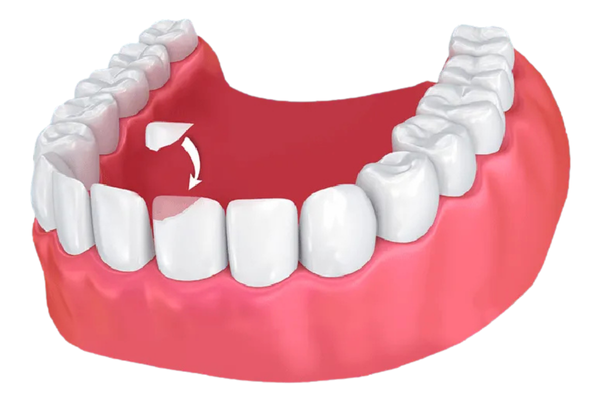
Crowns are a well-known means of restoring function and aesthetics to teeth that have been deeply eroded, devitalized or severely damaged as a result of trauma.
This method of prosthetic restorations is widely known and has been used for decades. The development of dentistry in recent years, however, has brought good news in this respect as well.
Today prosthetic restorations are:
And the causes of disability can be different:
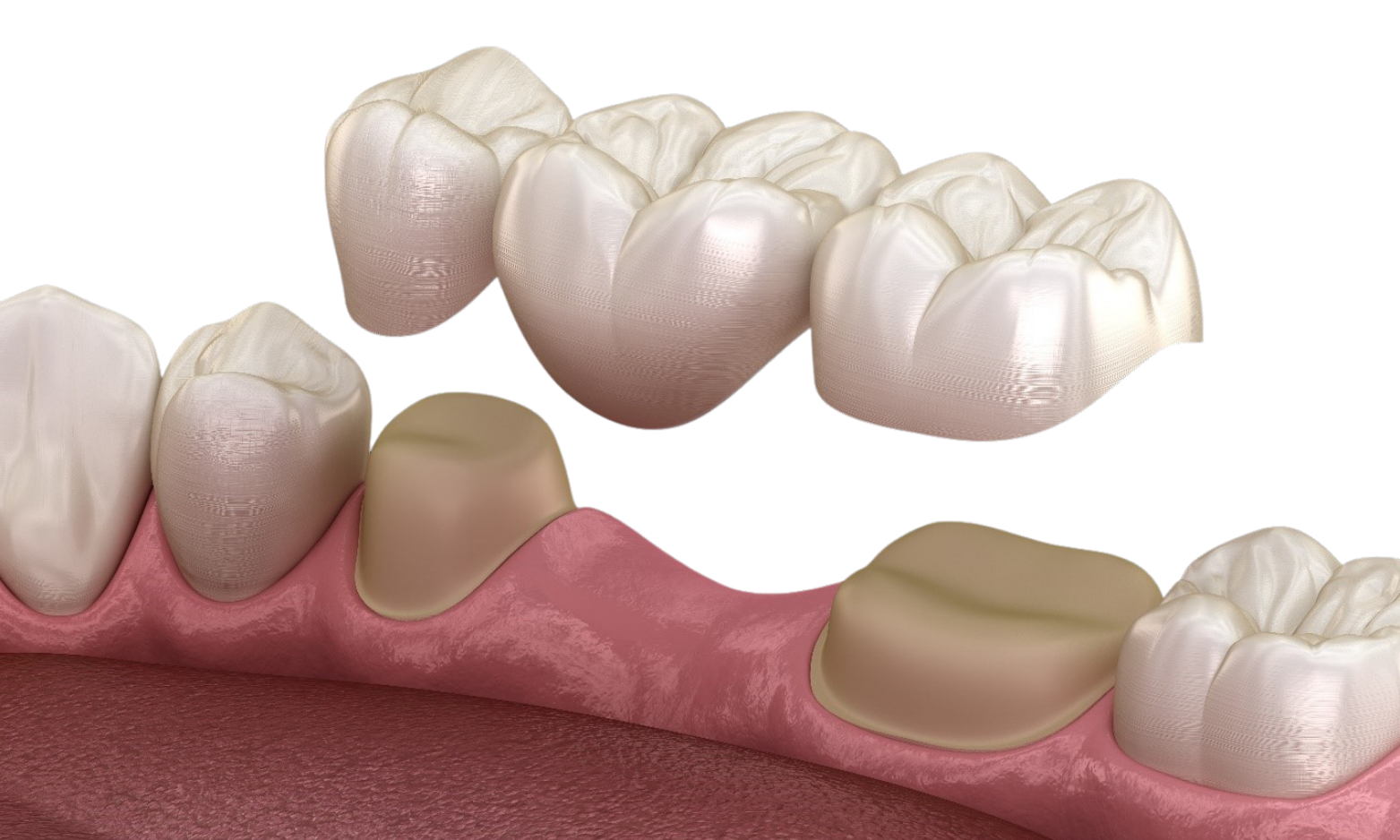
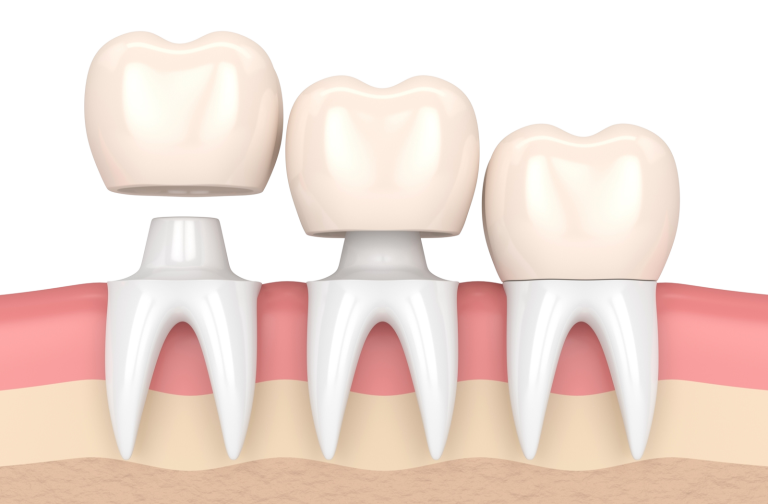
In all of these cases, there is one thing in common – in order to place a crown on the tooth, there must be enough of it left in the supra-anterior space to serve as a stable foundation. We popularly call this part the “stump”.
The prosthetic construction made in the laboratory covers and covers the stump tightly, is cemented on it and thus simultaneously completes the damaged tooth, protects it and splint it.
All three features are extremely important because devitalized teeth are much less resistant than living teeth.
No. This is an outdated and completely wrong concept. There are many cases in which prosthetic restoration of a living tooth is necessary. In these cases, its preparation is simply carried out under local anesthesia so that the patient does not feel pain during the burn.
The dentist will then take an impression that will go to the lab to have the crown made.
And while this process lasts, we put a temporary one made of high-quality plastic material. In this way, we save the patient any aesthetic and functional inconvenience from the very first visit.
Целосно керамичките и циркониумските коронки се поестетски супериорни во споредба со метал-керамичките.
Од друга страна, циркониумските се издвојуваат и по својата голема цврстина и издржливост.


The name Vita Dent is a synonym for high-technology treatments, performed with equipment and devices from the latest generation.
Combined with the professionalism and experience of our specialists, this represents a guarantee for the success of your treatment.