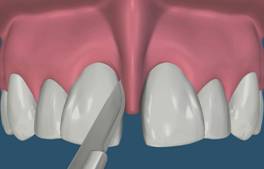
Why do we need to take out the sage?

Wisdom teeth extraction

They show up last, but are often among the first to leave. The wisdom teeth, also known as the third molars, are the teeth that create a lot of worry for patients. That is why in many cases they have to be removed.

Why? And what is important to know if we are about to pull a sage – you will learn from the following lines.
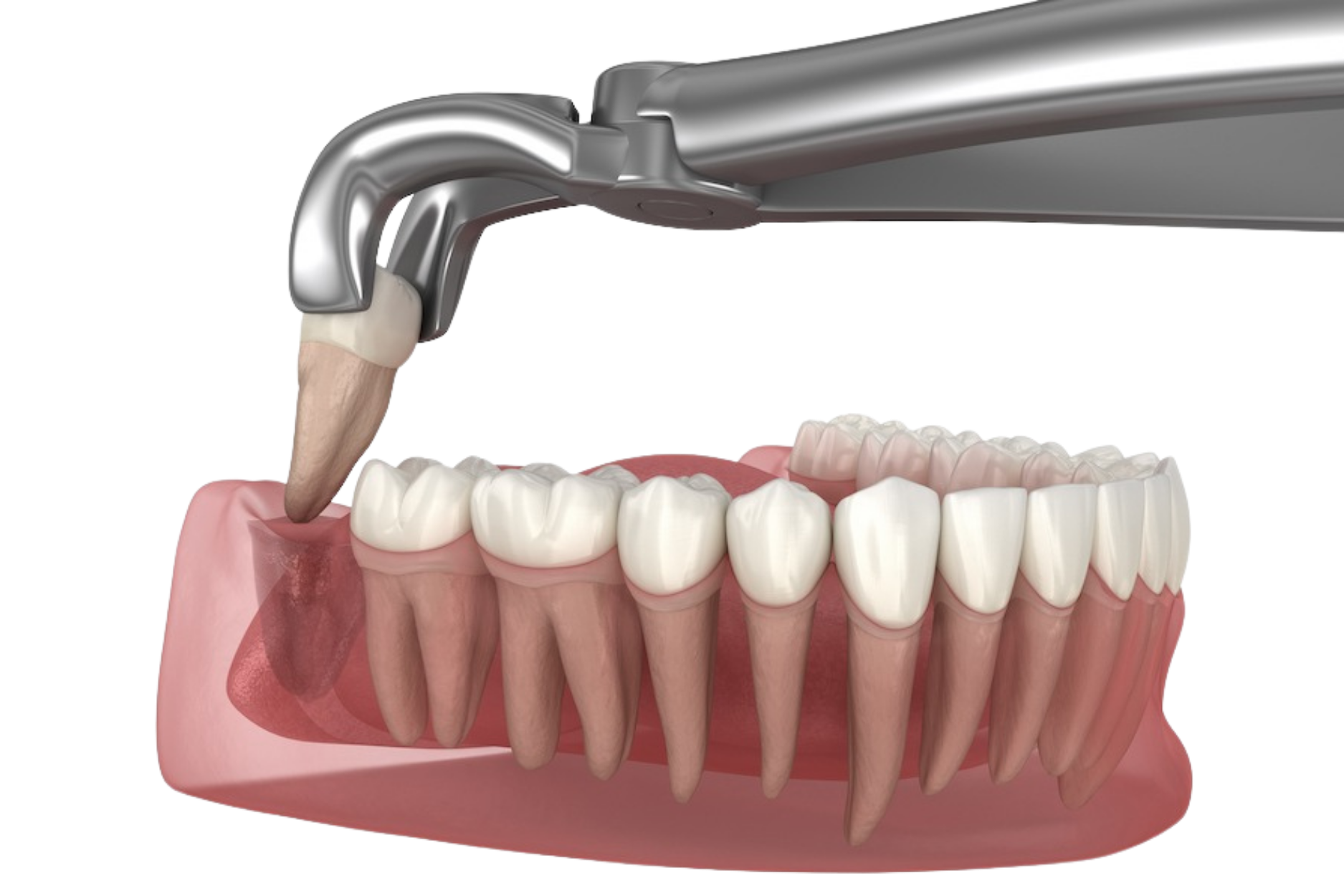
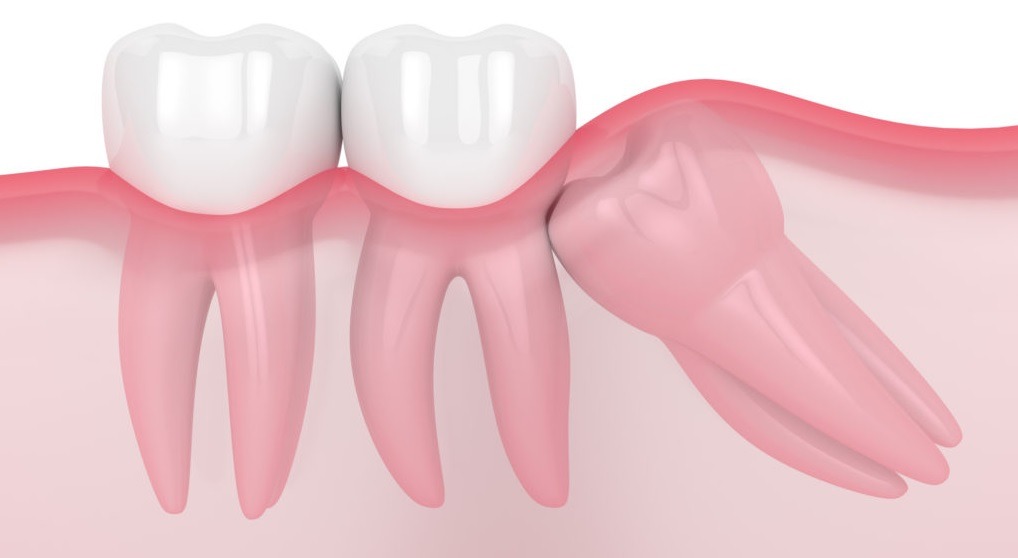
Specificity of wisdom teeth

Wisdom teeth usually erupt after puberty – between the ages of 18 and 25. In some people, however, they do not erupt at all. Most often, the reason for this is an insufficiently large jaw. Therefore, the third molars in these patients remain in the bone.
Causes Of Treatment

What kind of care can they create?

In general, the last molar should break through, stand in place alongside the others and complete the formation of the dental arch. However, due to the long delay with which it appears, it is possible that it will “start” incorrectly and shift its arrangement. And this, in turn, may require orthodontic treatment.
Modern dentistry is now able to identify this potential possibility very early and take measures to prevent such a shift. That is why we advise parents to take their children to an orthodontist as soon as the process of replacing milk teeth with permanent teeth begins.
We also recommend that the condition of the last molars be monitored by a specialist during their growth and thereafter, even if there is no pain or other complaint.
In addition to causing crowding and misalignment, wisdom teeth are also susceptible to inflammation – such as pericoronaritis or periodontitis. Some of these inflammations can be painful, cause collection of pus or damage to the gingival tissue. Therefore, if you find that these conditions are increasing, progressing or causing complications, it’s time to pull out.

What are the symptoms of wisdom teeth problems?

Symptoms of complications related to wisdom teeth can vary. Therefore, we advise you not to guess, but to visit your dentist at the first sign of concern.
However, some of the most common signs that something is wrong are:
  • Pain. It is most often unilateral, it can be from weak to unbearably strong. Covers the jaw, mandibular joint or neck.
  • Edema. It occurs because of the inflammation of the gums and mucous membranes of the mouth. Most often it is small, but in more serious infection it can cover the entire jaw. In this condition, it is also not excluded to raise your temperature.
  • Disordered arrangement of teeth. This is a longer term symptom that is usually accompanied by discomfort and a feeling of pressure until it becomes visible. We advise you not to wait for this moment.
The dentist will assess whether your condition requires extraction. No-often this decision is reached when it is judged to do more harm than good.
How it works

How does extraction work?

Having a wisdom tooth removed is not a dream experience for any patient. At Vita Dent Dental Clinic we are aware of this and have tried to make it as easy, quick and predictable an experience as possible. Along with this, we guarantee you peace of mind during the procedure and excellent results afterwards because we have extensive experience with successfully extracted wisdom teeth. So:

How long does the procedure take?

In the standard case, the extraction of a wisdom tooth usually takes 20-30 minutes, but in some individual patients it can last up to an hour. It is important to know that, although well known, this is not a harmless procedure. It requires skill, especially in the more insidious cases where the tooth is hard to reach or has not yet fully erupted. At Medical Dent Dental Clinic, we have that training and can assure you that we have the ultimate mastery in successfully and seamlessly extracting even the most stubborn wisdom teeth.

Can more than one sage be brought out at a time?

Yes. But not more than two. They must be on the same side for the patient to feed on the other.

Is it painful to pull out a wisdom teeth

No. The procedure is painless as an anaesthetic is placed at the site. Only pressure is felt during the manipulation. СHowever, once the anaesthetic wears off, pain may occur. Its strength varies according to the complexity of the manipulation, but standard pain medications are quite effective in overcoming it.
In rare cases, it is possible that the “inheritance” of molars may be more challenging for the patient and lead to mild edema, a slight increase in temperature, headache. The dentist will know this in advance. He will warn you what to expect and what measures to take to relieve this short-term discomfort and avoid complications after the procedure. Again, he will instruct you in detail about.

Грижа по операцијата

Соодветната орална хигиена е клучна по ваквата процедура. Добро четкајте со четка за заби и вода за уста, но избегнувајте го местото на операцијата. Препорачливо е во првите денови по неа устата да не се четка, туку само нежно да се исплакнува.

Неколку дена по вадењето, подобро е да се консумира мека и течна храна, а кога ќе преминете на тврда, џвакајте ја од спротивната страна.
It is important after pulling the wisdom teeth to observe the following medical recommendations:
  • Do not smoke or drink alcohol;
  • Take drinks at room temperature;
  • Do not exert yourself physically;
  • Don’t suck the wound.

Postoperative care guidelines for apicotomy

Recovery

Rest with your head elevated when you arrive home after the procedure. Please limit your physical activity and movement to a minimum for the first 24 hours.

Ice Application

For the first 4-5 hours after surgery, we recommend placing an ice pack on your face at 20-minute intervals. This will help reduce facial swelling. If necessary, you can use an ice pack for 24 hours.

Medication instructions

Please take anti-inflammatory medication (NSAIDs) to prevent inflammation, swelling, and pain. If you need NSAIDs, we recommend taking 400mg–800mg of ibuprofen every six hours to reduce swelling and pain and to promote healing. Do NOT exceed 2400mg in a 24-hour period. If you experience excessive pain or discomfort, take the prescribed narcotic. Please take it as directed, together with the NSAID. If you were prescribed an antibiotic, please take it as directed. Be sure to finish the full course. If any of the medications cause severe nausea, itching, or a rash, discontinue use and contact our office immediately.

Gradual Bleeding

In the next few days after surgery, slight oozing may occur, which is not a cause for concern. Gently rinse your mouth with cold water or cold chamomile or sage tea (these teas contain tannic acid, which can help stop bleeding). Please avoid smoking and alcohol, as these activities negatively affect blood clotting and the healing of the surgical site. If bleeding continues, apply pressure to the surgical area by biting down on moistened gauze for 20 minutes. If the bleeding is moderate to heavy and lasts for several hours without stopping, please contact our office immediately.

Eating guide

When you return home after surgery, you may have something very soft to eat or something cold to drink. On the evening of the surgery, we recommend that you eat a soft, bland meal, as this is usually the best way to feel better. During the first week, please do not eat anything hard or crunchy.

Wound care

When possible, we will place a dressing over the surgical area to help keep you comfortable. Please DO NOT brush the areas covered with the dressing. If the dressing becomes loose or falls off and you still feel comfortable, continue avoiding brushing the surgical areas. If the surgical area feels uncomfortable without the dressing, please contact our office so we can place a new one. Please continue your regular oral hygiene routine on all other areas of your mouth. Use an antiseptic mouthwash at least once in the morning and once at night before bed until your next appointment at our office. You may also clean the dressed area by gently wiping it with cotton soaked in antiseptic mouthwash every morning, every night before bed, and after eating and drinking.

Why choose VITA DENT for this procedure?

Because wisdom tooth extraction is a well-known, but serious procedure that requires many years of experience, skill and impeccable surgical skills. At VITA DENT they are available. Therefore, wisdom tooth extraction is performed after a detailed diagnosis and according to all modern requirements for safety, sterility and patient comfort.
Before the procedure, we will answer all your questions in detail, and after the procedure, we will ensure that your recovery is quick and painless.

The world is full of patients who, for one reason or another, have undergone this procedure. A large number of Macedonian patients have had this done at VITA DENT.

There must be a reason why this is so!

Contact us quickly and easily!

We believe that every tooth is a complex organism and its different problems require different specialists.