
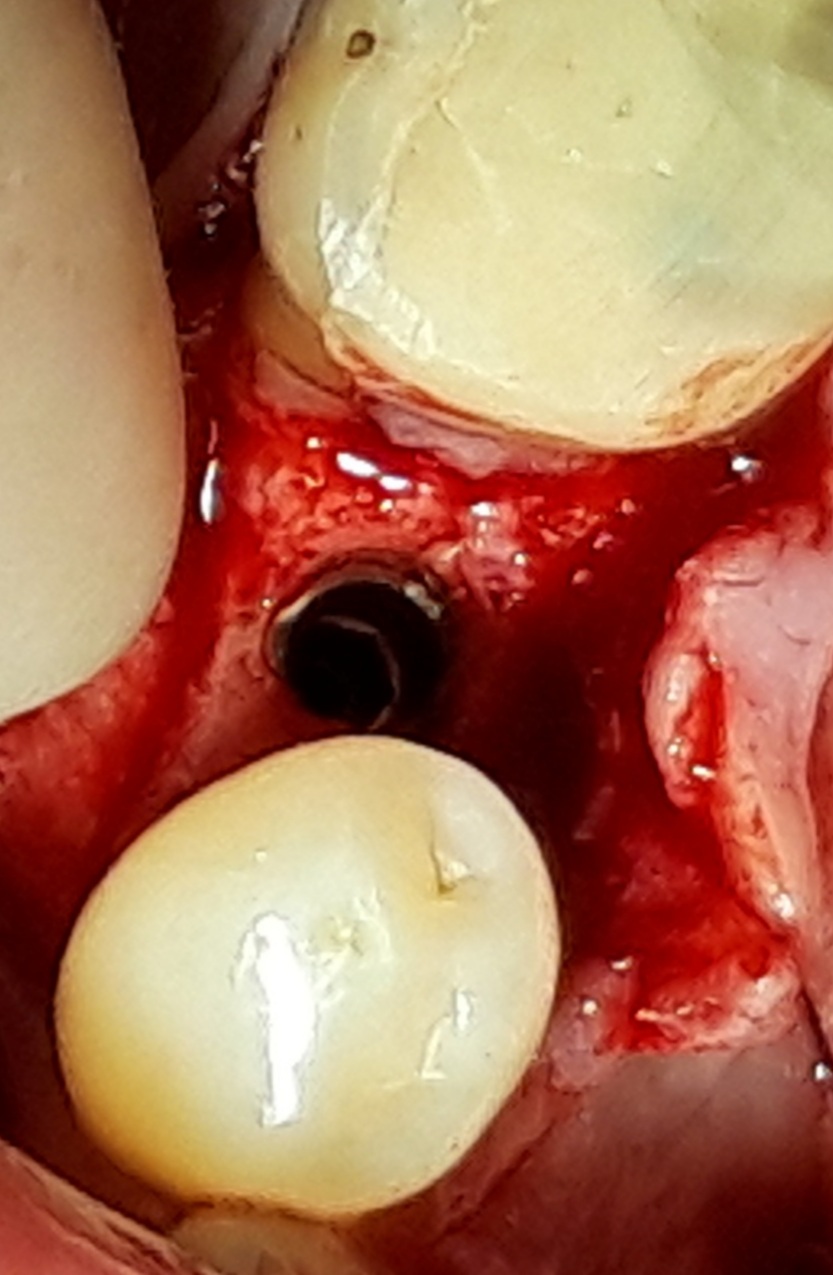
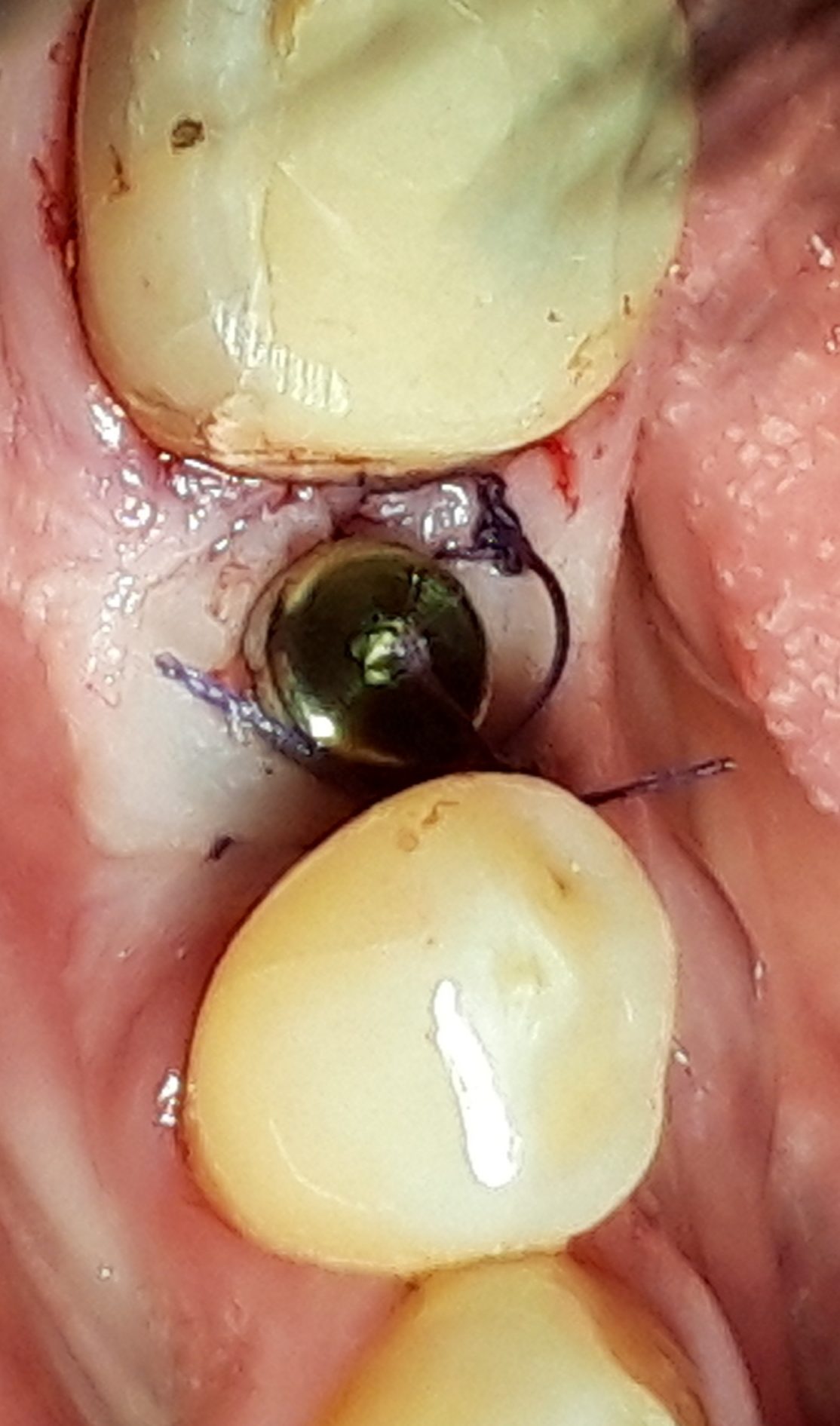
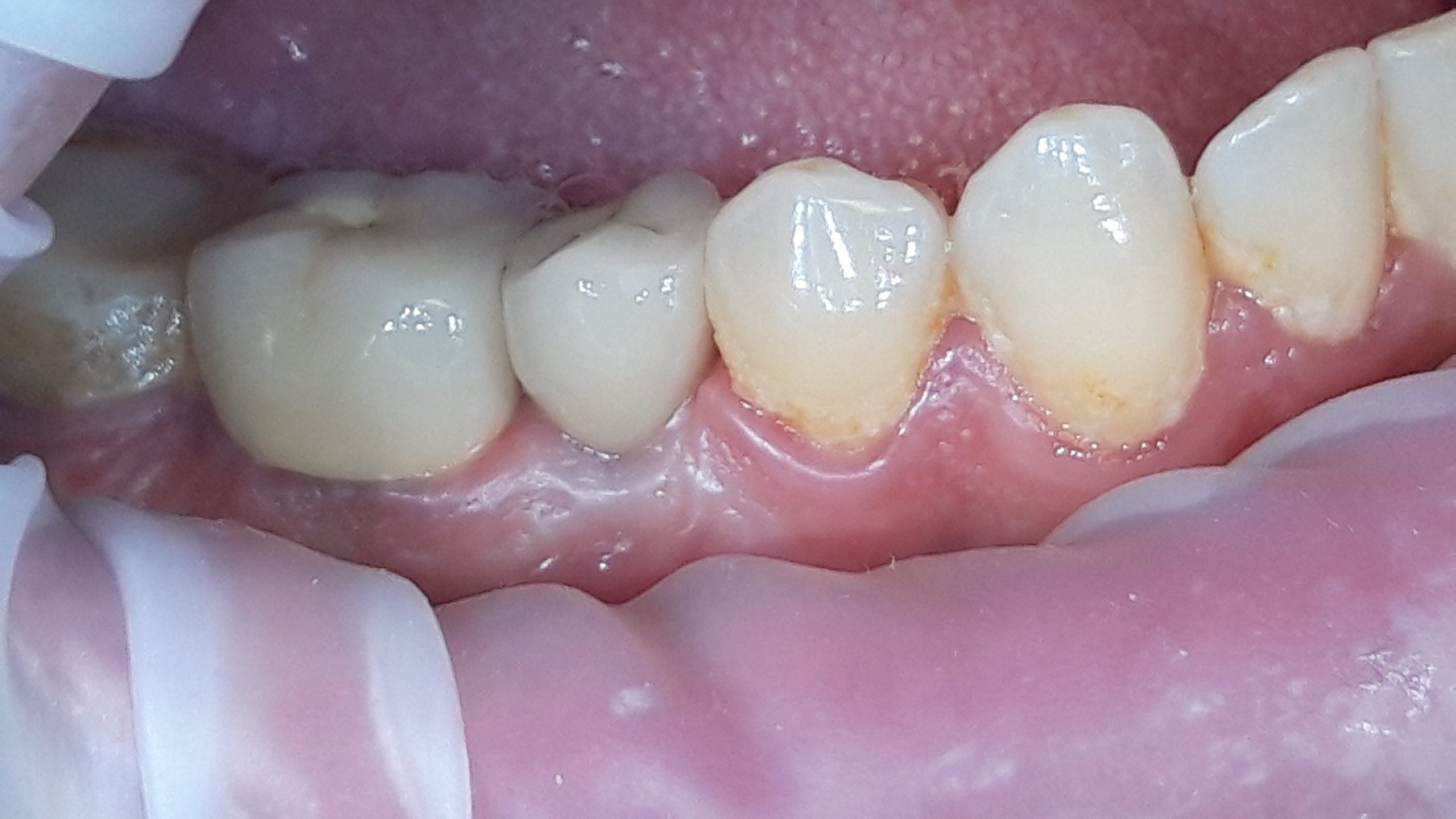

Dental implants are titanium screws that are inserted into the jawbone, integrated into it and remain fixed there, imitating the root of the lost tooth. With the help of an additional abutment, the implant becomes the foundation on which a crown, bridge or denture is placed.
Most often - from a high-quality titanium alloy, less often – from zirconium. Titanium is the material of choice for implantologists because it combines exceptional lightness, strength and hardness, and most importantly, it is biocompatible.
Implantology comes into play when one, several or all teeth are lost. The only requirement is that the patient be of legal age, as the jaw development must be fully completed.
There are four types of implants and your dentist will decide which is best for you:
It is most often used when a tooth needs to be extracted and replaced with an implant. The surgery is then performed about six months after the tooth has been extracted, to allow the bone and gums to fully heal. Therefore, the procedure is quick and the recovery period is short.
“Immediate” in dentistry means right away. Immediate implantation is typically combined with immediate restoration on the implant using a crown or bridge, and an individualized gingiva former may also be placed if the tooth is extracted during the same visit. This approach is the fastest and most comfortable for the patient, but it requires caution and avoiding hard food for a certain period after treatment. It is most commonly used in the restoration of completely edentulous jaws — where four implants are placed and a fixed prosthesis is attached to them. Another suitable case for immediate implantation is a fractured single tooth, provided there is no bone infection and the procedure can begin immediately.
First, the implant dentist will perform a thorough examination to determine the condition of the bone and gums, as well as the overall oral health of the patient. On the basis of this examination, he will be able to draw up a treatment plan with which you will be familiar in detail. It includes eventual treatment of the gums and bone, if necessary. Refinement of where the implant will be placed. As well as planning the timing of its loading with the prosthetic structure – crown, bridge or fixed prosthesis.
If it is necessary to extract teeth, this extraction will first proceed and a recovery period will be waited, and then the implantation will be performed in the operating room under local anesthesia.
A special superstructure is placed on the implant, which is already integrated into the bone and acts as a foundation for the future tooth. A crown previously made in the laboratory is placed on it.
If an immediate implant and loading approach is not chosen, the patient must wait for the implantologist’s recommended period of time for the dental implant to osseointegrate and the surrounding tissues to heal. Depending on the patient’s condition, this period varies between 8 and 24 weeks. The insertion procedure itself is painless. You may feel pain after the operation that goes away after taking a simple painkiller.
There is a myth that it is possible for a patient’s body to reject the “foreign body”. There is no such thing. Implantology is the result of an excellent symbiosis between the skill of the doctor and the care provided by the patient. This outcome is successful in over 98% of cases.
Only 2% worldwide are cases of lost implants that had to be reinserted. Most often, this is due to an infection that occurred during or after the operation – in case of insufficient hygiene care on the part of the patient.
There is an increased risk of potential complications in patients who are avid smokers, as nicotine has been shown to reduce blood supply, which is key to successful tissue repair.
A wide range of dental implants is available on the market today. Driven by the desire to offer more attractive prices, many dental clinics choose lower-class options.
However, at VITA DENT we believe that “cheaper often ends up more expensive.” That is why we work exclusively with high-quality implants that come with a lifetime guarantee.
They are yet another reason why we can confidently guarantee a successful treatment outcome for our patients.


VITA DENT has been actively investing in education in implantology for 10 years, through attending courses abroad and in Macedonia, professional training in implantology centers in Europe and continuous theoretical education.
We know how to make a good assessment and analysis of patients who are implantology cases and we know how to do it.
